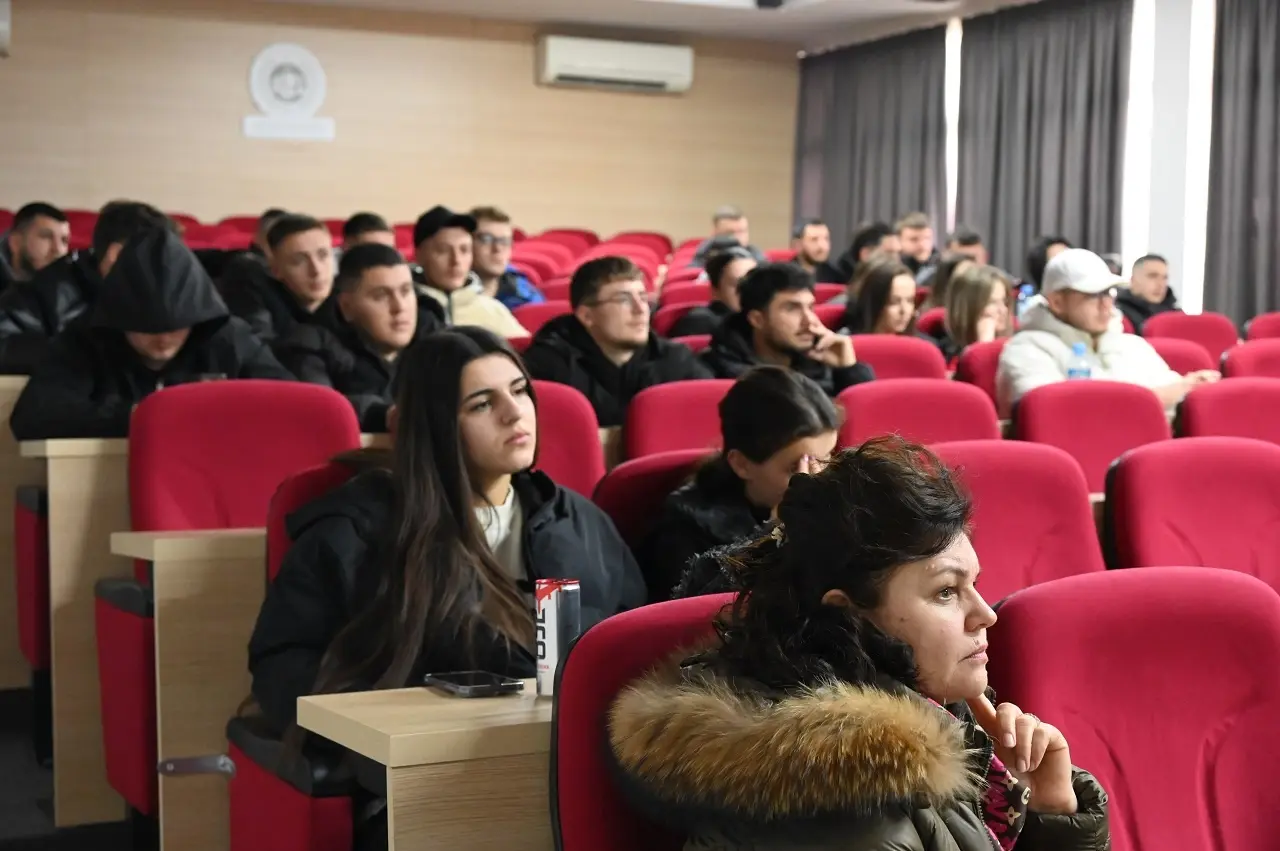
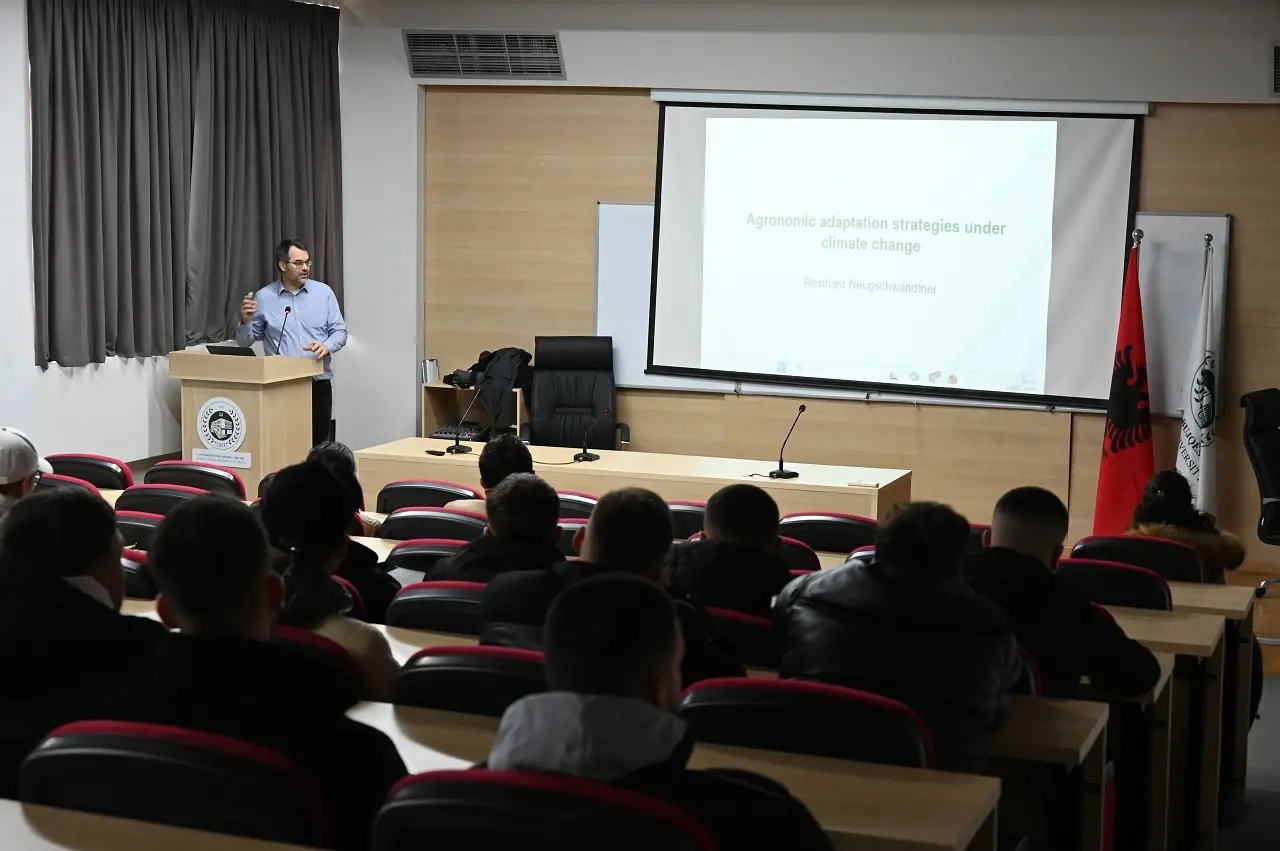
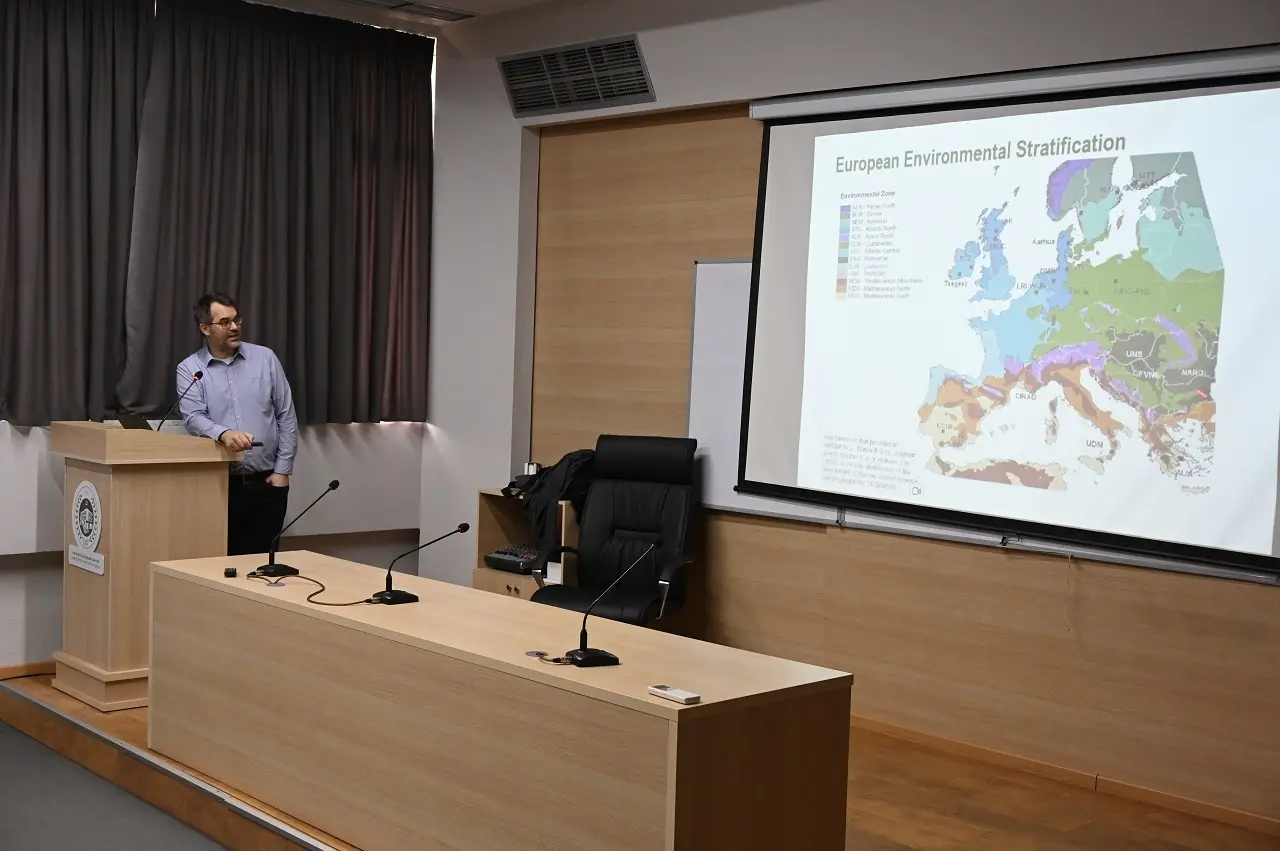
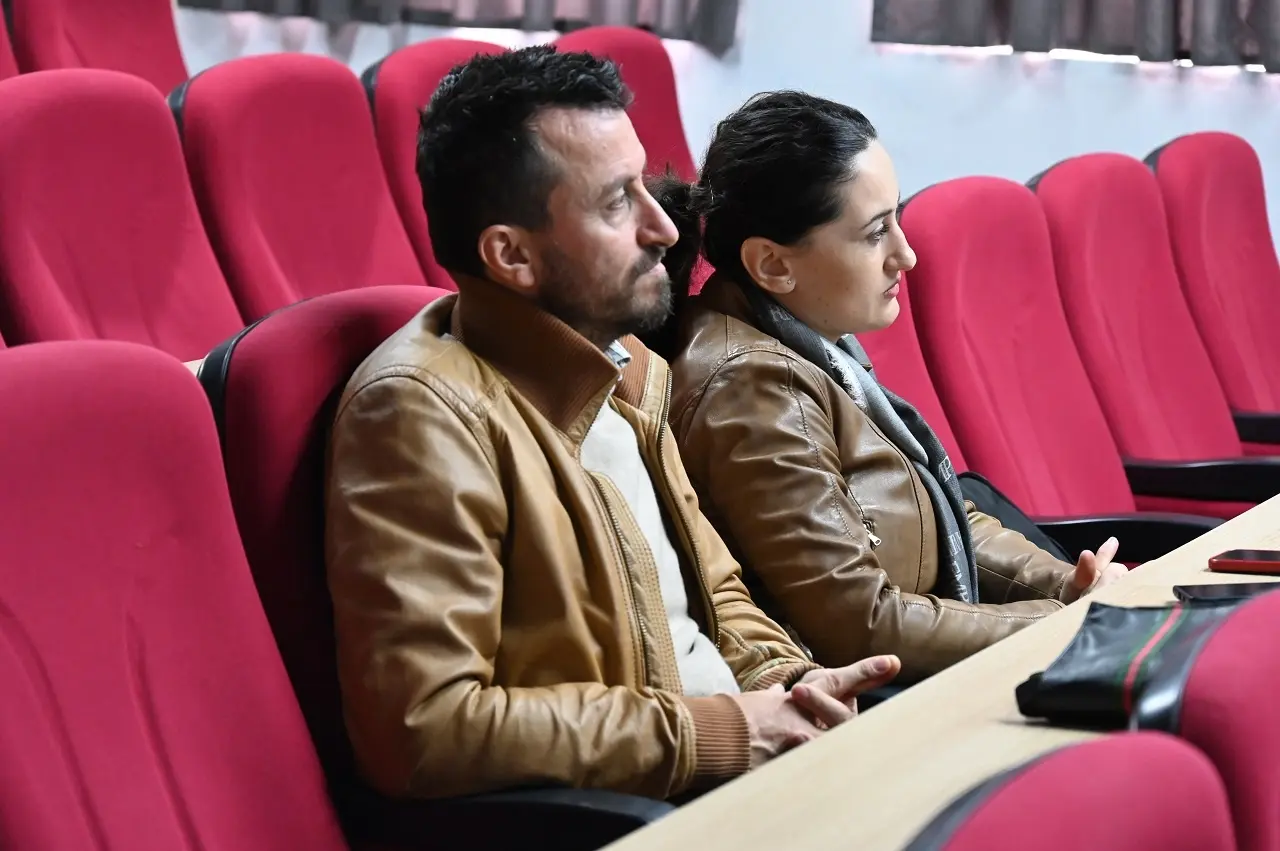
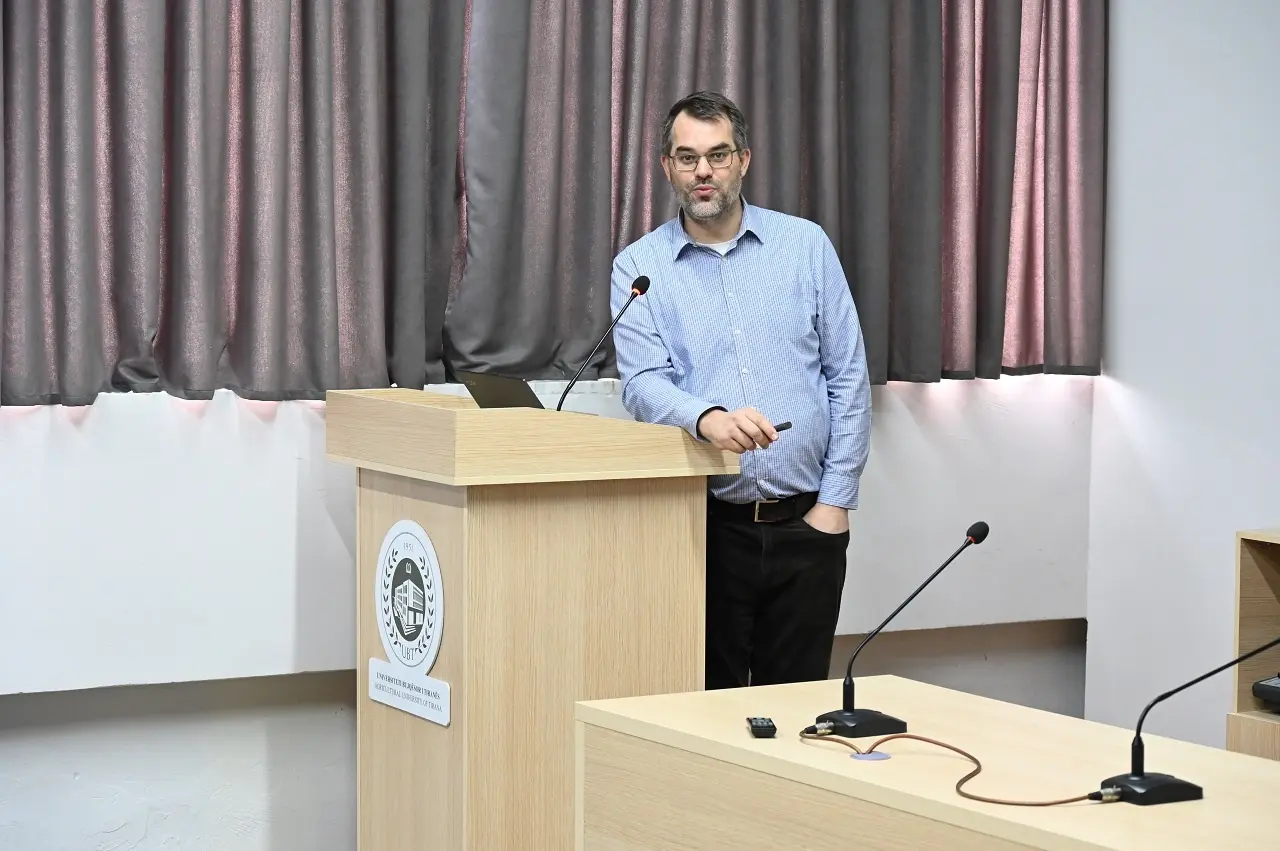
The Agricultural University of Tirana held an open lecture this Wednesday, January 14, on agronomic strategies for adaptation to climate change, delivered by Associate Professor Reinhard Neugschwandtner from BOKU University. The lecture was organized within the framework of academic cooperation between the two institutions and was attended by students, faculty members, and researchers in the field of agronomy.
In his presentation entitled “Agronomic Adaptation Strategies under Climate Change,” Professor Neugschwandtner emphasized the urgent need to adapt agricultural practices in the face of rising temperatures, droughts, and increasing variability in precipitation. He highlighted strategies aimed at water conservation and improving water-use efficiency, as well as reducing crop sensitivity to water stress.
One of the main points addressed during the lecture was autumn sowing, which allows for an extended growing period, better utilization of autumn and winter precipitation, and earlier crop maturation. The importance of warm-season crops was also discussed.
In his presentation, the professor also focused on the practice of intercropping, which helps increase yield and production stability, as well as on soil tillage, emphasizing that the “no-till” system proves to be more favorable under drought conditions. In addition, he addressed the role of genetic improvement and the development of new varieties, adapted fertilization practices, and the use of C4 crops.
In conclusion, the lecture underscored that agronomic adaptation to climate change is not an option, but a necessity to ensure food security and the sustainability of the agricultural sector.