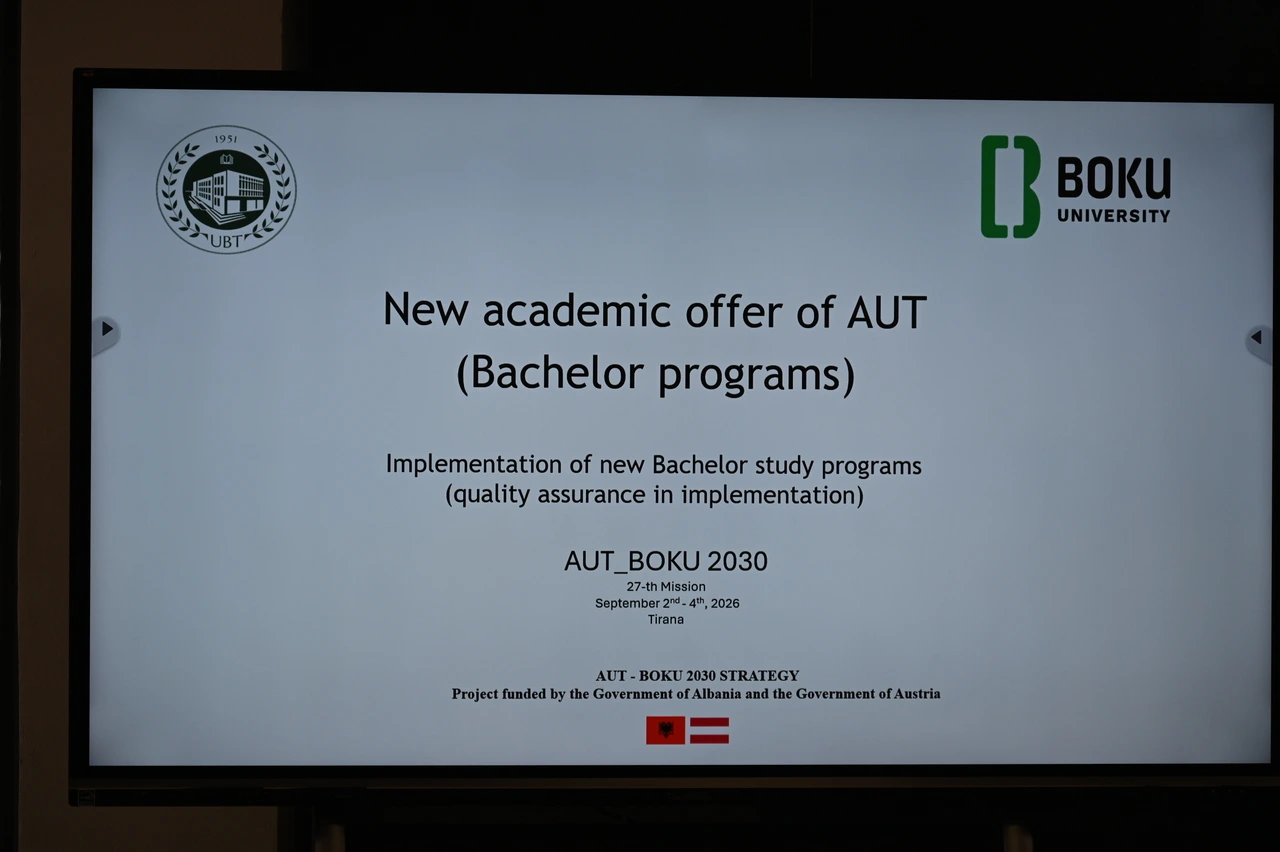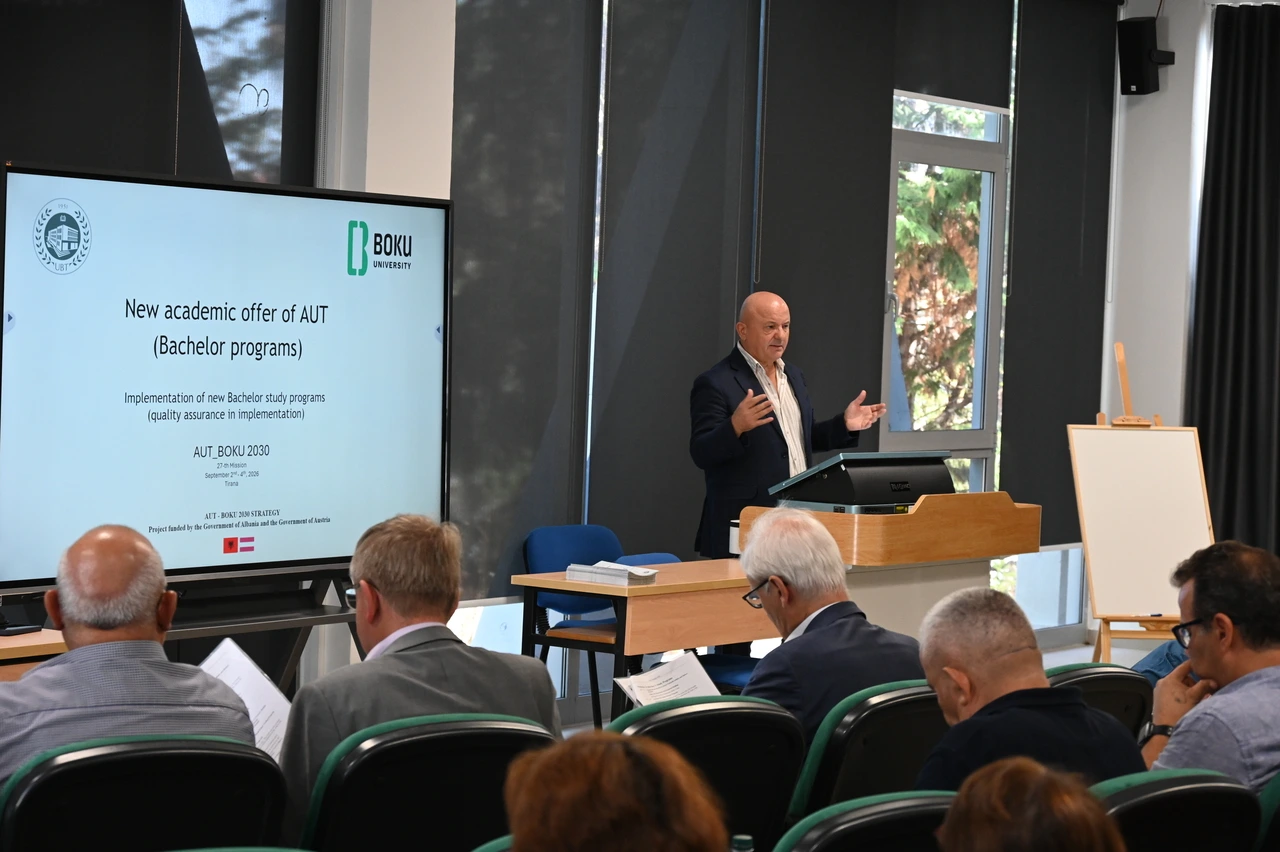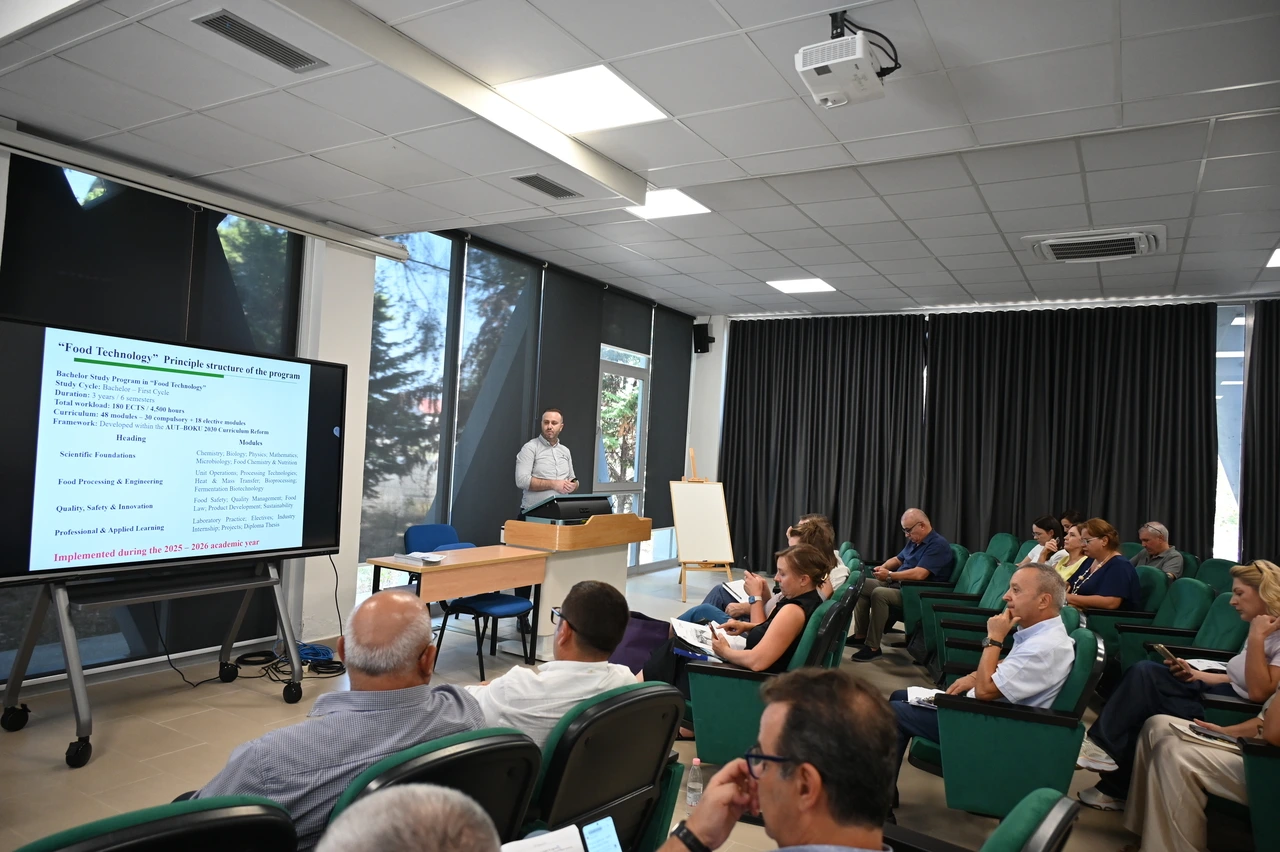
At the Agricultural University of Tirana, the 27th Mission was launched as part of the cooperation with the University of Natural Resources and Life Sciences, Vienna (BOKU), marking another stage in the process of transforming UBT under the UBT 2030 Strategy.
The mission is taking place from September 2 to 4 and, this time, focuses on study programs, the organization of departments, and the adaptation of the administration to the University’s new structure.
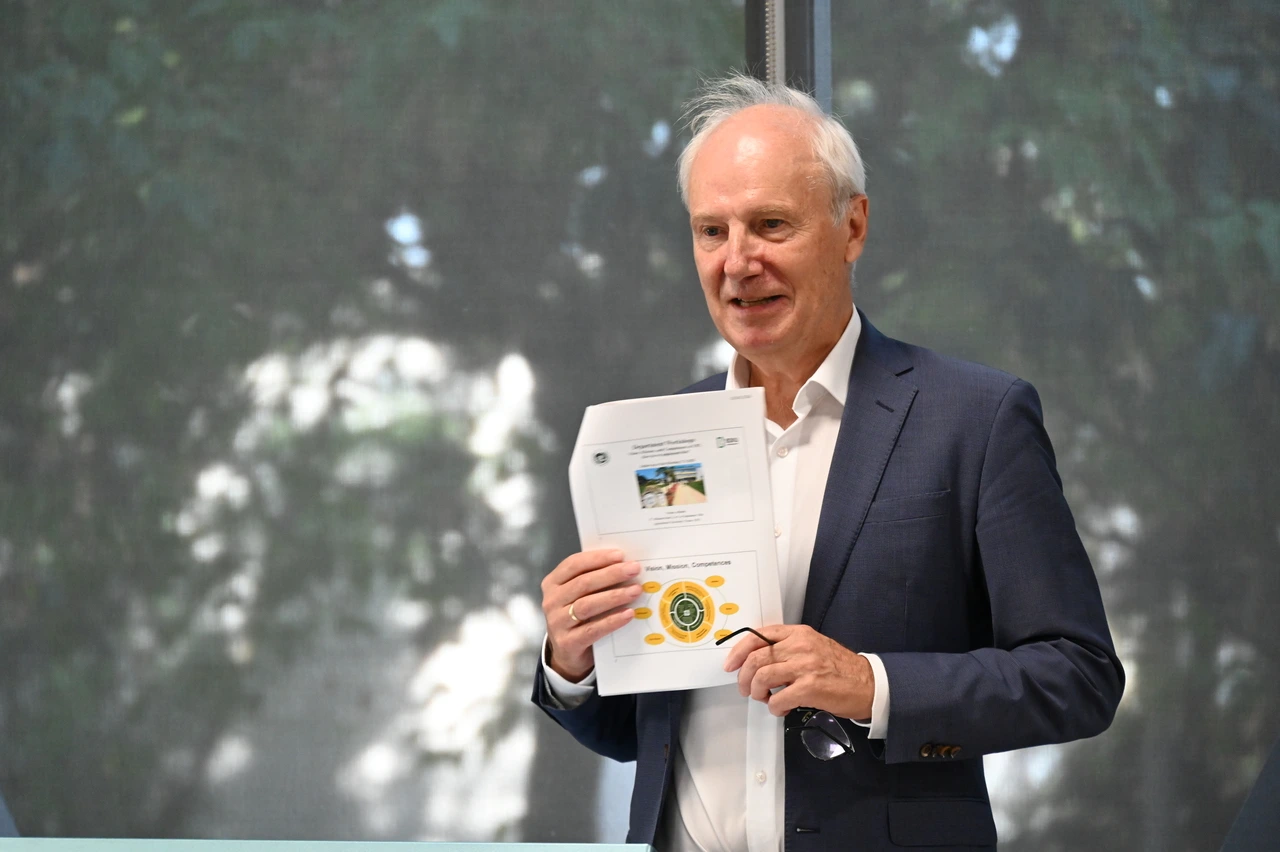
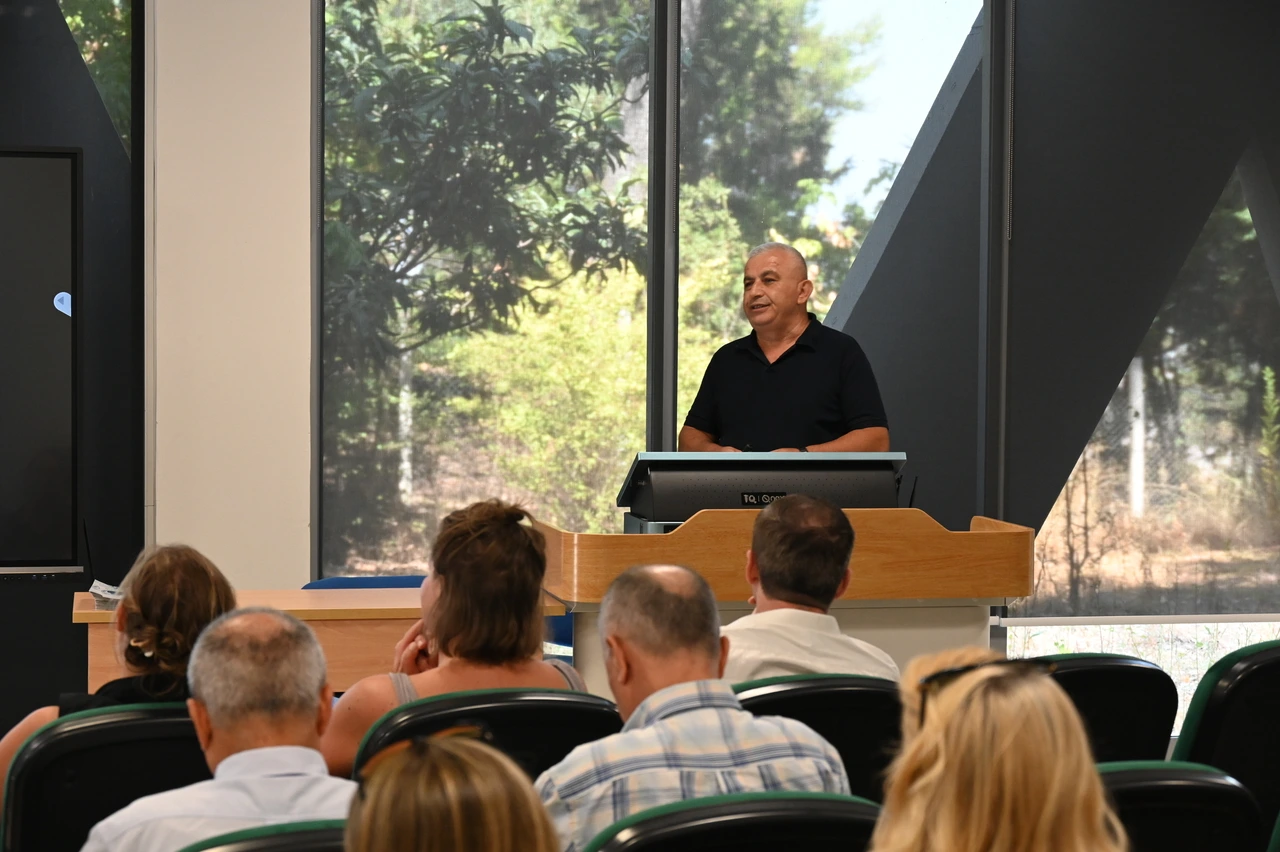
The first day was dedicated specifically to the new Bachelor’s and Master’s programs and to the concrete phase of their implementation. The proceedings were opened by the Rector of UBT, Prof. Dr. Fatbardh Sallaku, and Prof. Dr. Hubert Hasenauer from BOKU University, with the participation of University leadership, department heads, program coordinators, and the team of BOKU experts.
The focus was not only on what had been designed during the months of reform, but especially on what has been achieved so far and what remains to be done for the launch and effective operation of the reformed programs.
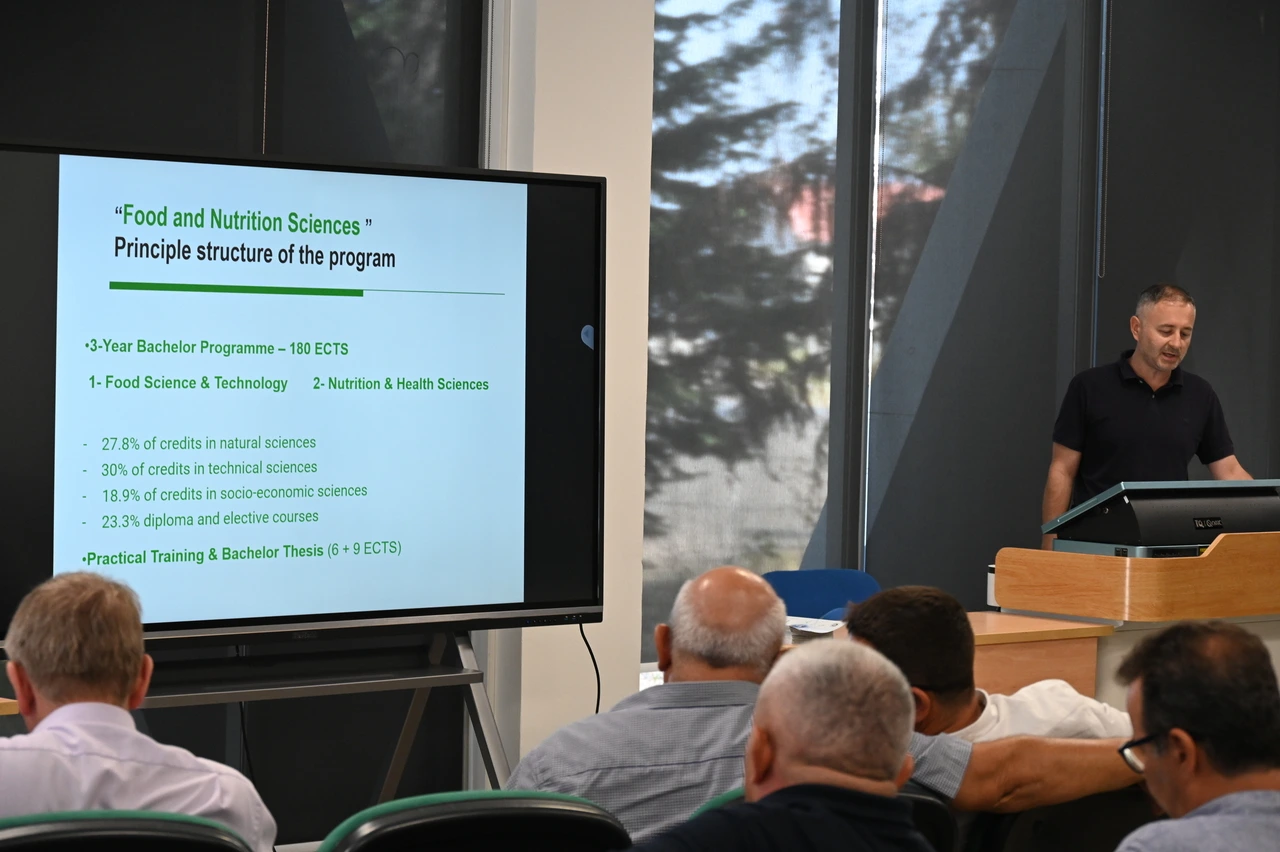
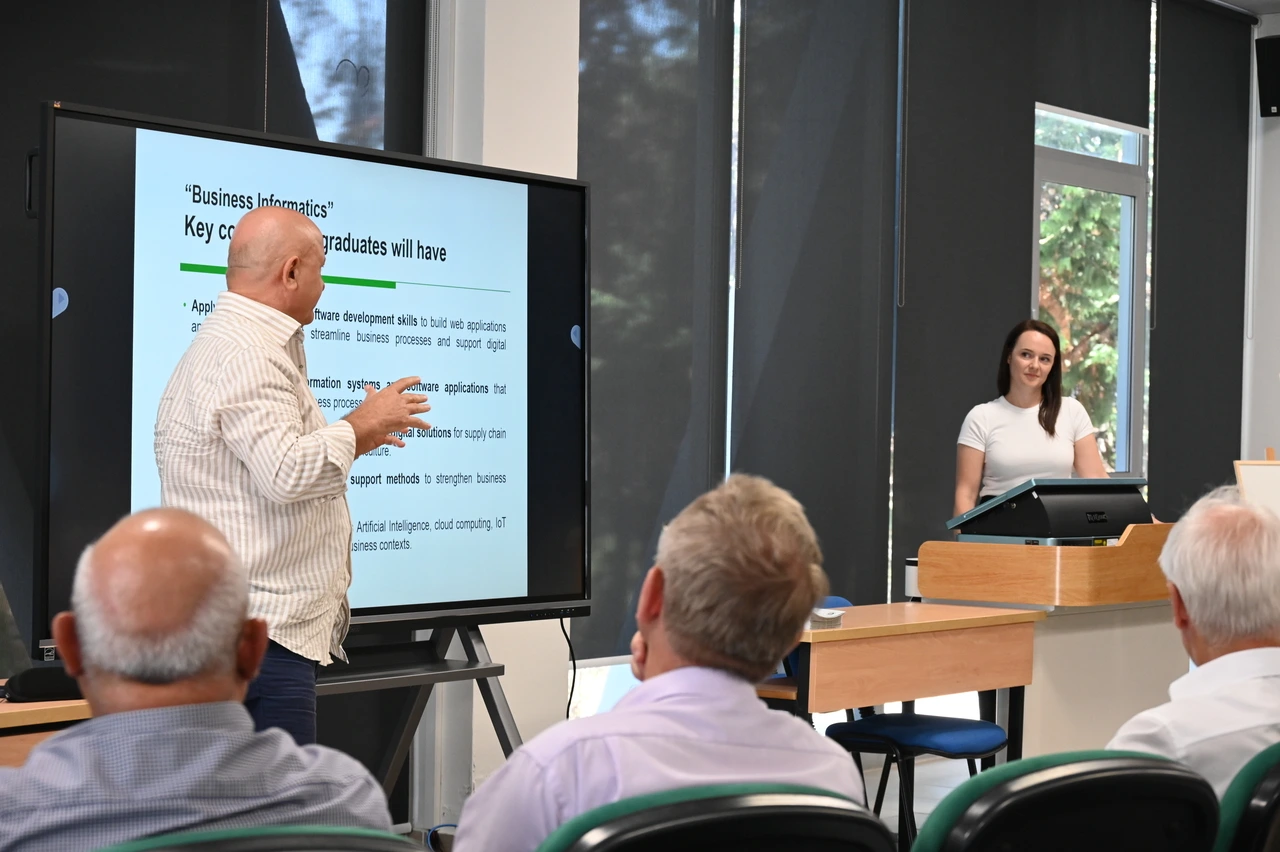
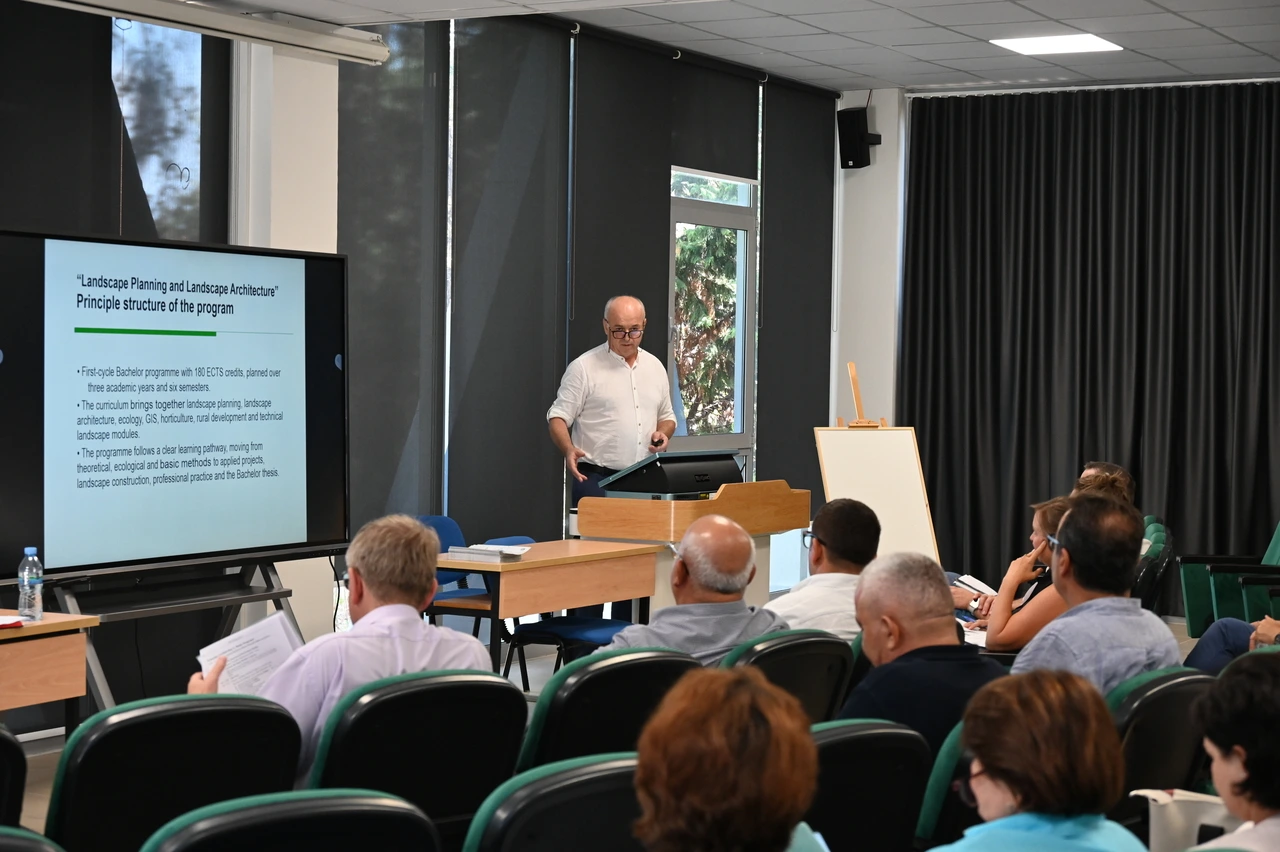
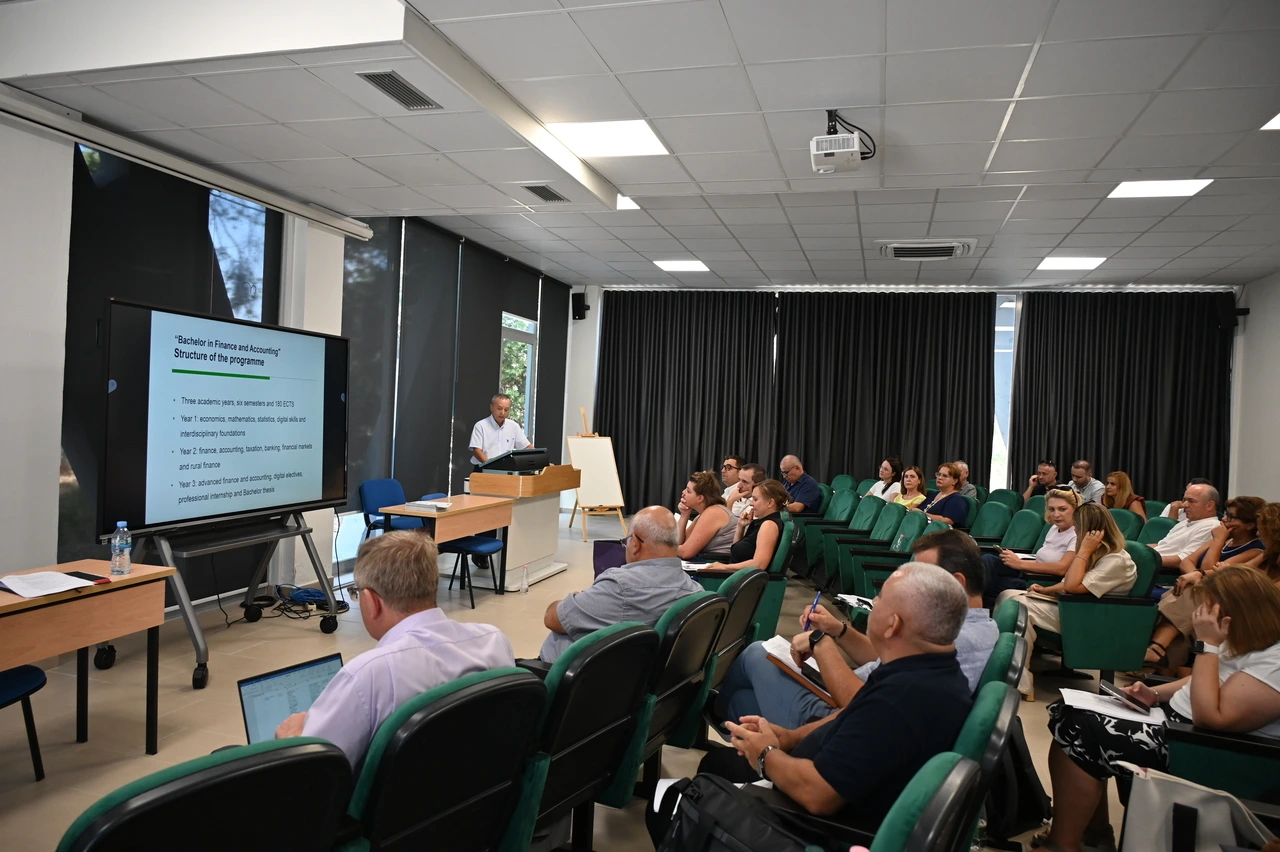
Vice-Rector Prof. Dr. Ilir Kapaj presented the progress of the Bachelor’s programs, highlighting the needs identified during previous meetings, the measures implemented, and the issues that still require solutions.
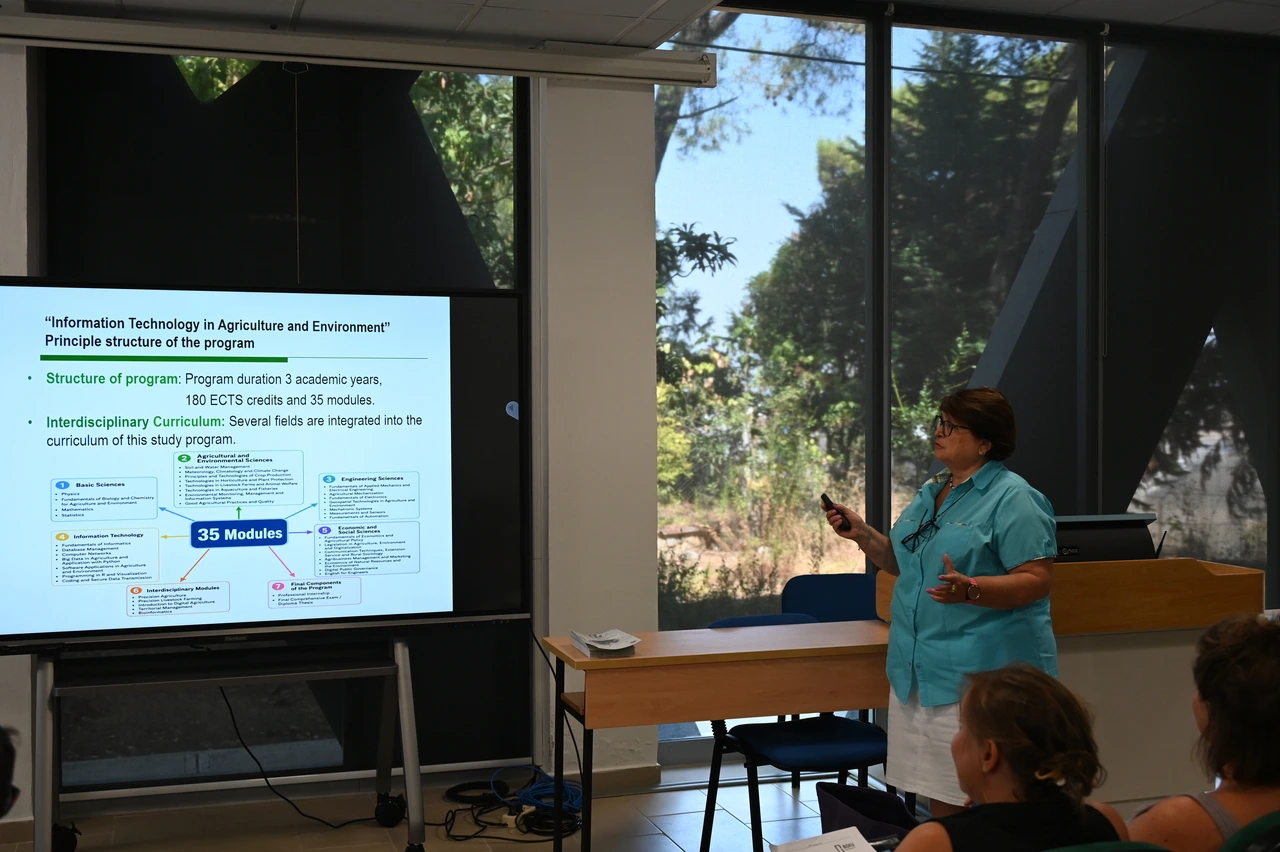
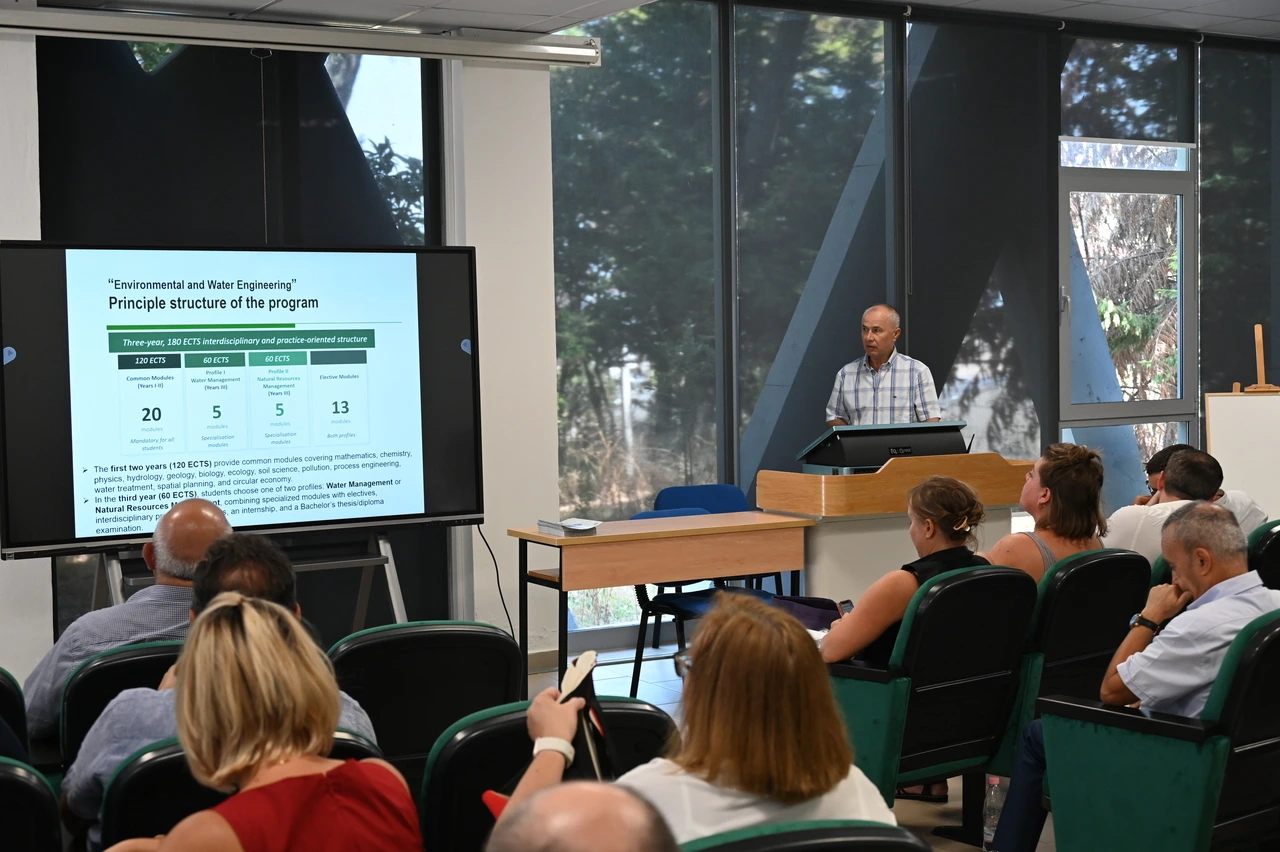
An important part of the day was the direct discussion with the coordinators of the 12 Bachelor’s programs, who brought to the table the progress, challenges, and specific needs of each program.
Particular attention was also given to the reform of the Veterinary Medicine program, with Prof. Dr. Ilir Kapaj and Assoc. Prof. Dr. Xhelil Koleci presenting the current status of the process.
The work then continued with the 18 Master’s programs, where coordinators discussed the achievements to date, the challenges encountered, and the steps that need to be taken to consolidate UBT’s new academic offering.
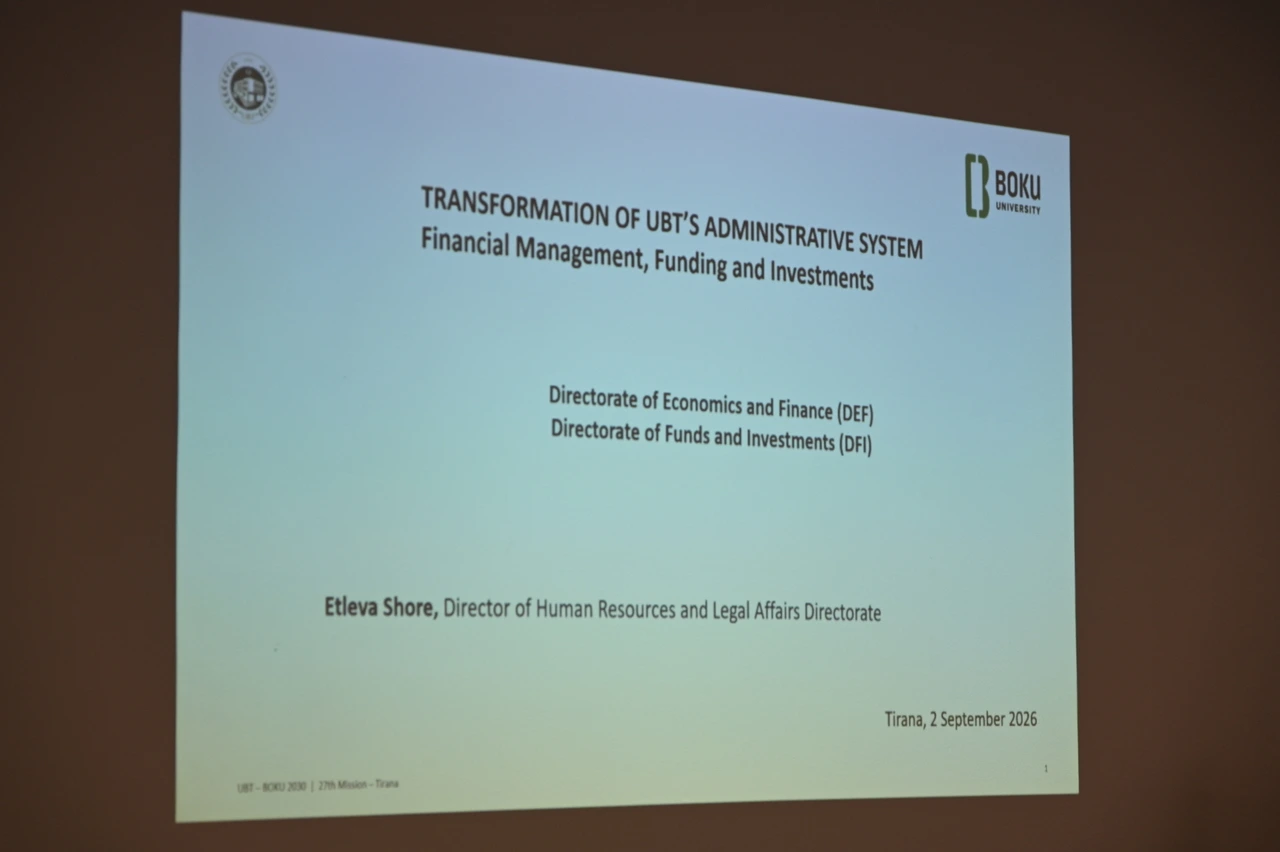
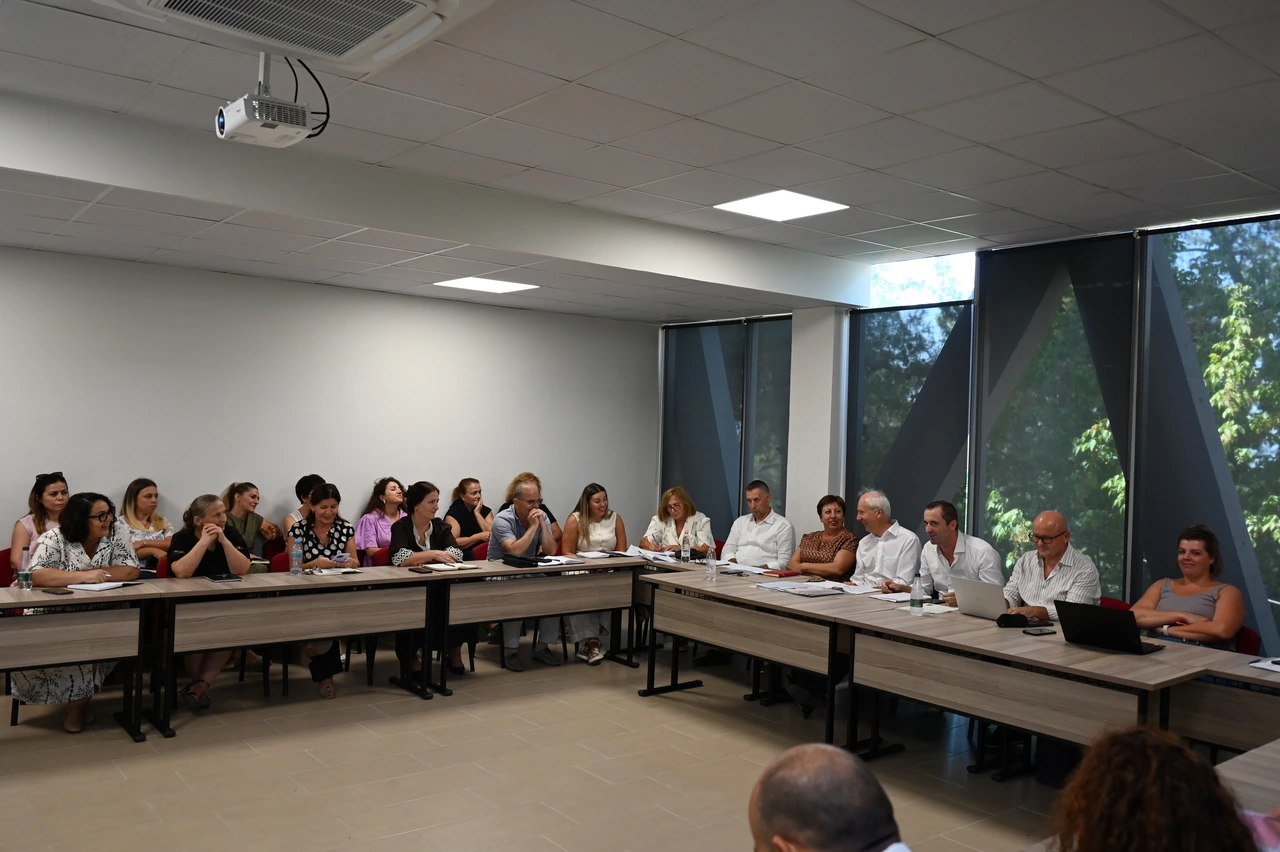
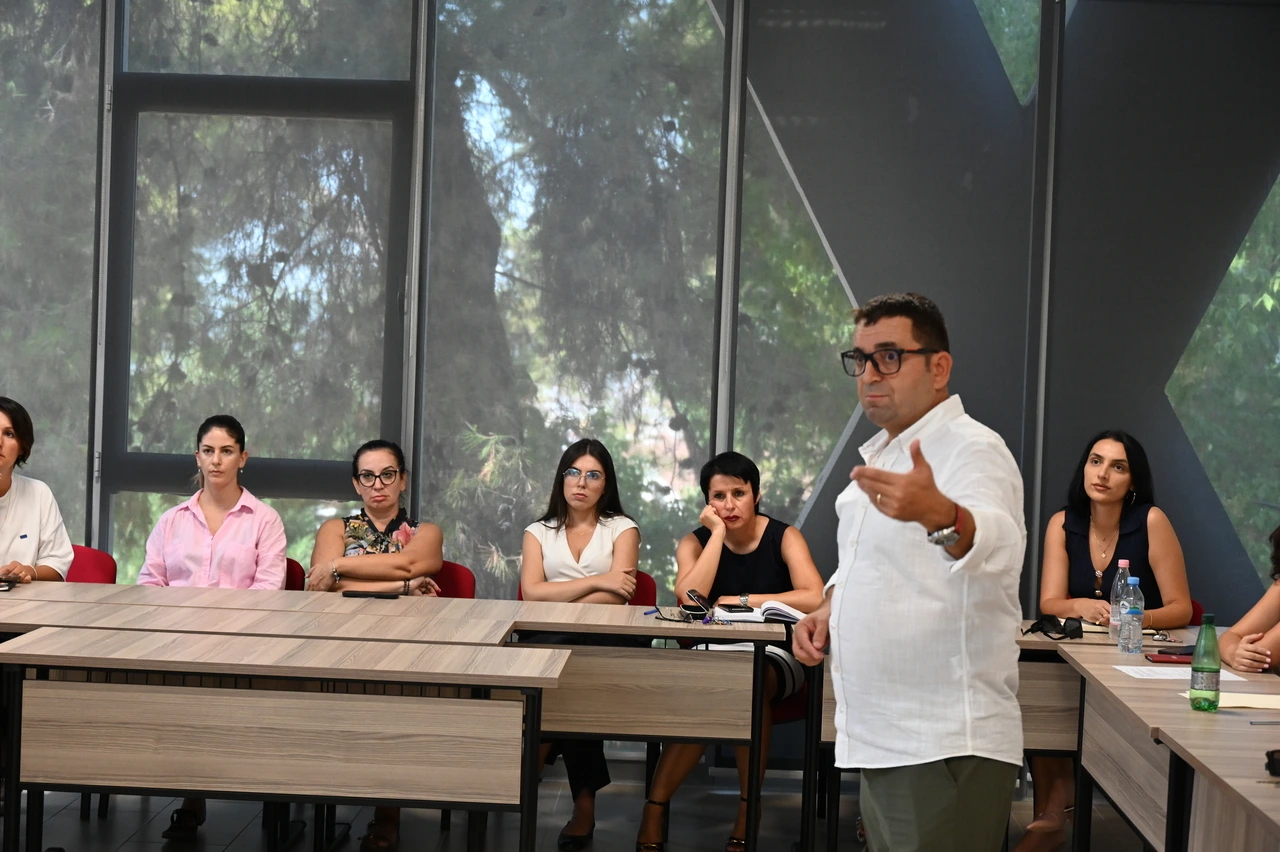
However, academic reform cannot progress in isolation from the way the University operates. For this reason, alongside the discussions on the study programs, UBT and BOKU experts held a dedicated session on administrative needs and the adaptation of internal processes to the new structure.
The discussion focused on how the administration can better support teaching and scientific research, including campus management, investments, finances, and processes directly related to the administration of the new study programs.
The first day of the mission thus marks the transition from designing the reform to its implementation in practice: new study programs, clearly defined responsibilities, and an academic and administrative structure that must respond to the University’s new model.
Over the following two days, the focus will shift to the role and organization of departments, scientific research, and the definition of the next steps in the UBT–BOKU process.